DevOps Learning
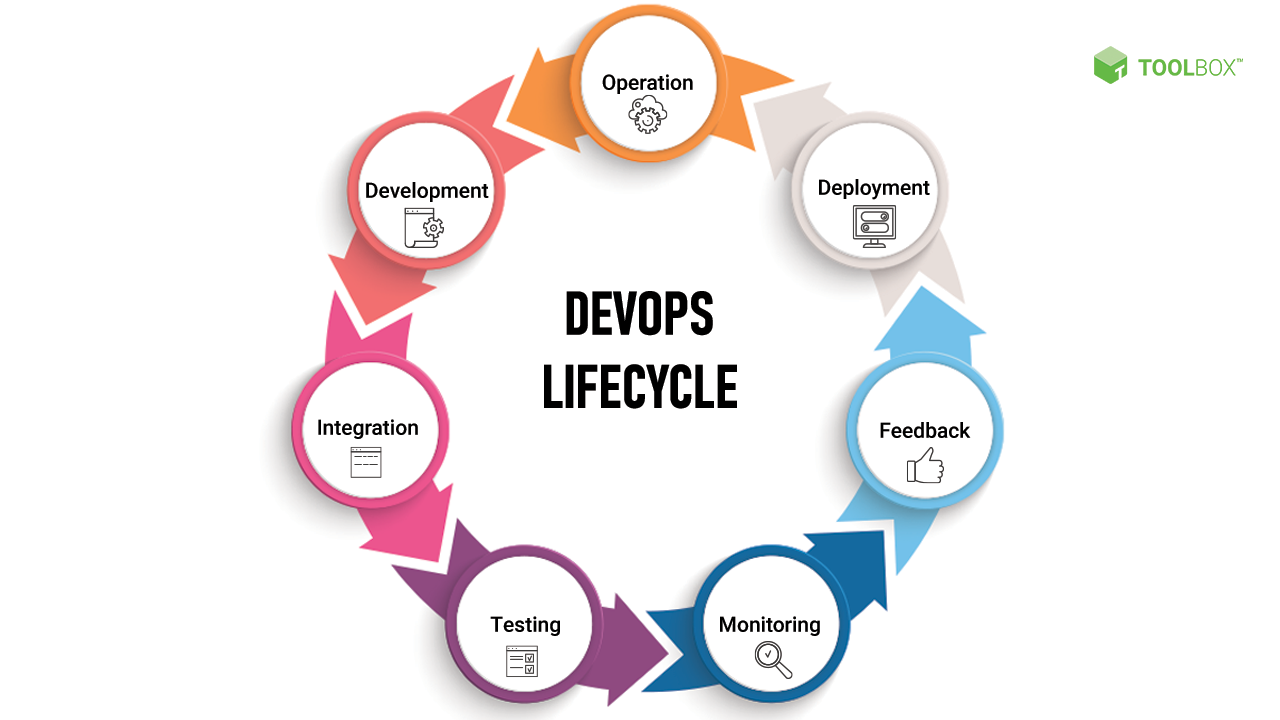
What is DevOps?
It is a collaboration between the developers and operating people. It is a methodology. DevOps is a set of practices, tools and cultural philosophy. DevOps is not a tool, whatever code is written by Developer has to be properly deployed.
Why we are learning this?
By releasing code into production more frequently, DevOps increases the speed of code deployment and testing. And thus, the practice boosts software efficiency and helps developers save a lot of time.
Accelerate time to market.
Adapt to the market and competition.
Maintain system stability and reliability.
Improve mean time to recovery.
The Core Principles of DevOps
DevOps revolves around a set of core principles that guide its implementation and practices. These principles include:
Collaboration – DevOps encourages open communication and collaboration between development and operations teams, fostering a culture of shared responsibility and accountability.
Automation – Automation is a cornerstone of DevOps. It streamlines processes, reduces human error, and allows for faster delivery and improved consistency.
Continuous Integration and Continuous Delivery (CI/CD) – CI/CD is the practice of automatically building, testing and deploying software changes to production. This approach ensures a continuous flow of high-quality software releases.
Feedback and Monitoring – DevOps emphasizes the importance of monitoring and gathering feedback from both technical and business stakeholders to improve processes and continuously iterate on products.
Continuous Learning and Improvement – A commitment to continuous learning and improvement is essential in a DevOps culture. Teams should regularly evaluate their processes and tools to identify areas for growth and optimization.
Common DevOps Tools and Technologies
There is a wide array of tools and technologies available to support DevOps practices, including:
Version Control Systems – Git, Mercurial, and Subversion
CI/CD Tools – Jenkins, Travis CI, CircleCI, and GitLab CI/CD
Containerization – Docker, Kubernetes, and OpenShift
Monitoring and Analytics – Prometheus, Grafana, ELK Stack (Elasticsearch, Logstash, Kibana), and Datadog
Cloud Platforms – Amazon Web Services (AWS), Microsoft Azure, and Google Cloud Platform
Best Practices for a Smooth DevOps Transition
Transitioning to a DevOps culture can be challenging, but by following these best practices, you can facilitate a smoother transition:
Start Small – Begin with small, manageable projects to test and refine your DevOps processes before scaling up.
Establish Clear Goals – Define clear objectives and success metrics to guide your DevOps implementation and track progress.
Involve All Stakeholders – Engage all relevant stakeholders, including business, development, and operations teams, in the decision-making process.
Prioritize Communication – Encourage open communication, feedback, and collaboration across teams.
Continuously Evaluate and Improve – Regularly review your DevOps practices and tools, making adjustments as needed to optimize performance and productivity.
About the author
AWS DevOps Engineer
Comments
Join the discussionNo comments yet. Be the first to comment.


